Still there. You're still subscribed. Nothing got cancelled, nothing got moved behind a paywall, no emails changed hands.
What changed is what I'm sending. One publication became two tracks. Both come through your existing subscription. You don't have to do anything except read this to know what's happening.
The newsletter you signed up for was whatever I was thinking about that week — sometimes a deep-dive on something I built, sometimes a take on an AI announcement, sometimes both crammed together in a way that didn't serve either. That's the thing that doesn't exist anymore. What replaced it is cleaner.
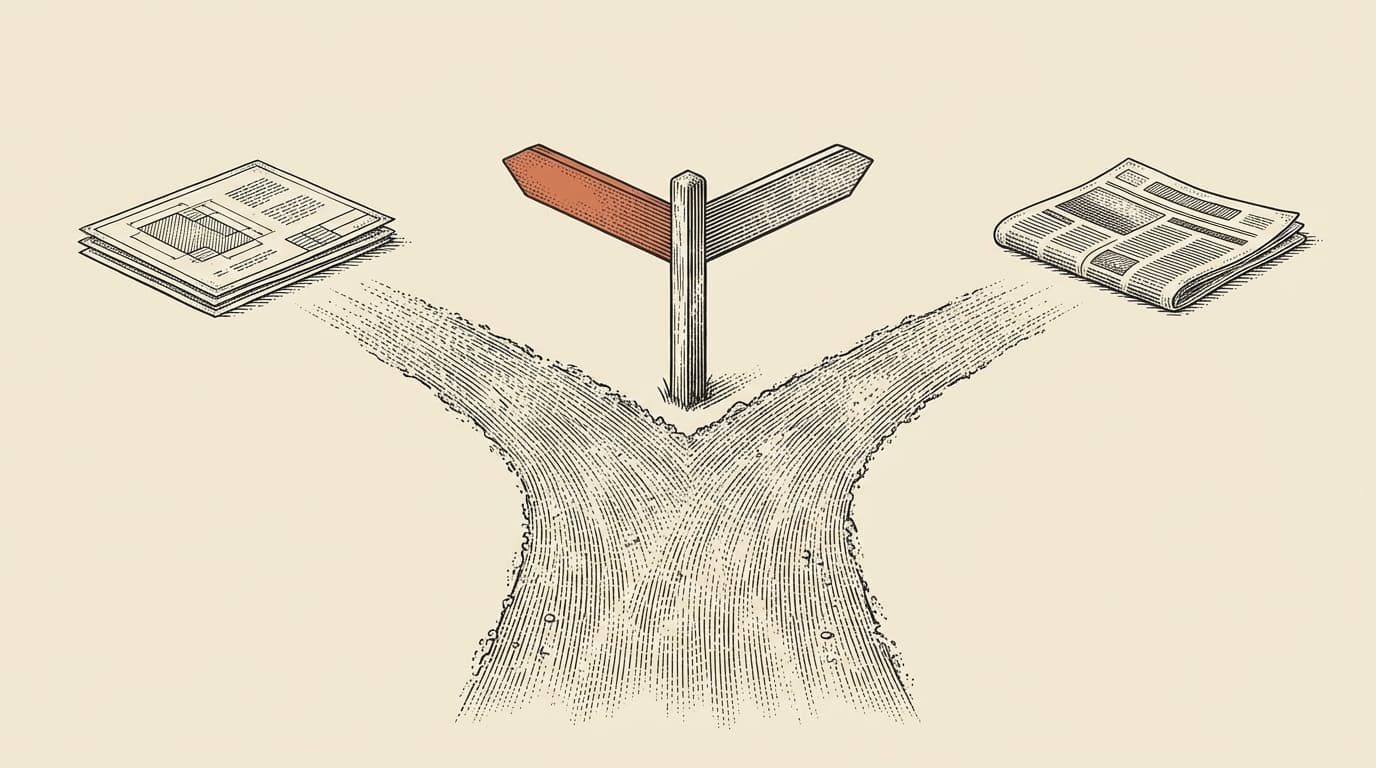
Two tracks, not one
There are now two content types. Both show up in your inbox. Here's what's in each.
Log is what I'm building and what I learn from it. Not tutorials. Not "10 things about Go." The real stuff — architecture decisions, the approach that didn't work, the number that surprised me. If I ran a system for 30 days and the failure rate was higher than I expected, that goes here. If I changed how I think about something because of a specific bug, that goes here. It's a builder's notebook made public.
The unit of a log post is experience. Something happened, I built something, I found something out. I'm writing it down because I think the finding is useful to people doing similar work, not because I need to fill an editorial calendar.
Newsletter is commentary. Industry news, model releases, research papers, things the developer community is arguing about. I read a lot and I have opinions. Some of those opinions are wrong, and I'll say that too. The newsletter is the place where I think out loud about the field instead of about my own code.
The unit of a newsletter post is a take. I watched something happen, I thought about it, here's where I landed. Shorter on average than log posts. Higher ratio of "what I think" to "what I did."
The practical difference: if you build AI systems or developer tools and you want to understand how they actually work under the hood, you probably want log. If you want to know what's worth paying attention to in AI and software development without reading the press releases yourself, you probably want newsletter. Most of you probably want both, which is why you're already subscribed to both.
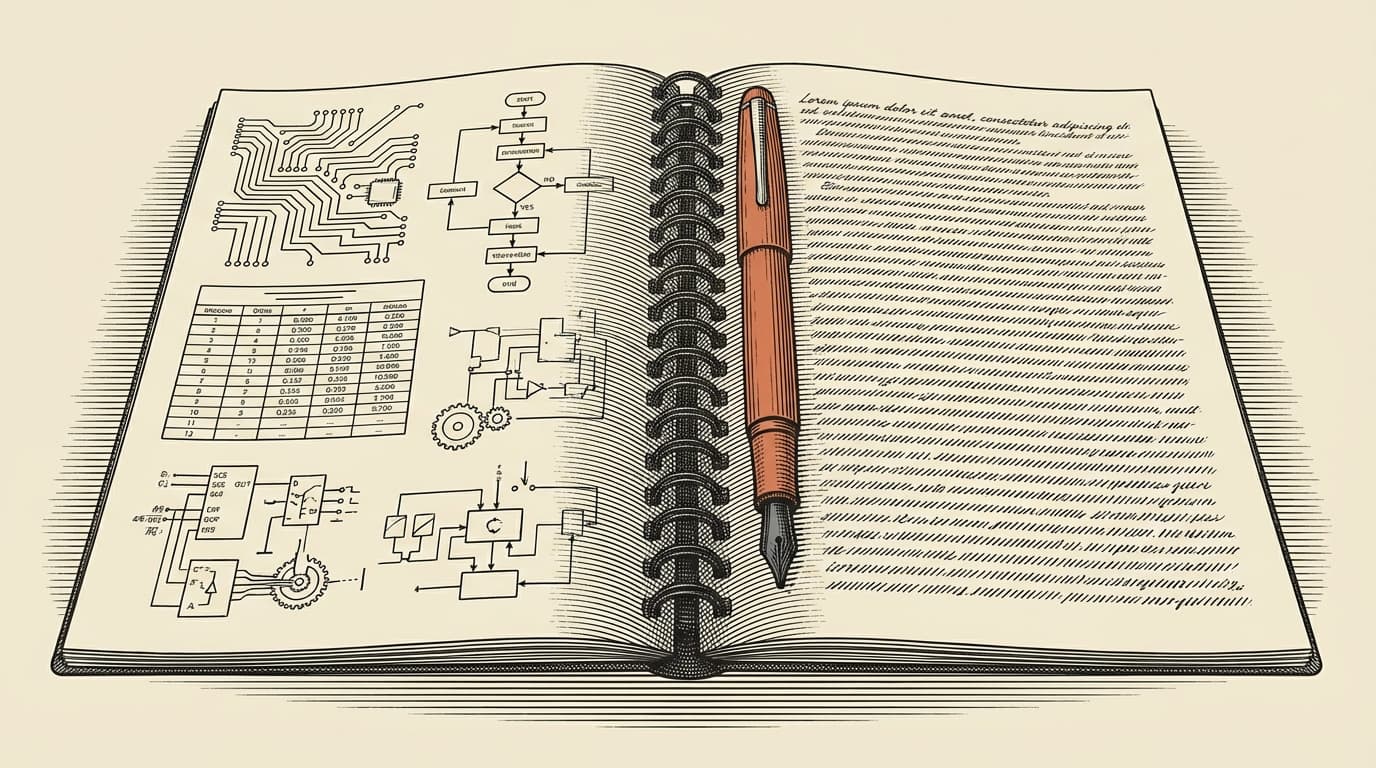
What triggered the split
I pushed nanika open source this week. It's a multi-agent orchestrator I've been building for six weeks — you write a mission file in plain text, it runs a team of specialist agents to execute it. Docs are at howtoai.sh/nanika. That release made the shape of this publication obvious.
When I started writing more seriously about what I built, I kept running into the same friction: the "here's the architecture" post and the "here's what I think about the industry" post have different audiences and different reading rhythms. People who want to understand how nanika's phase isolation works don't necessarily want my take on the latest model benchmark. And vice versa. Jamming both into a single undifferentiated feed was making both worse.
Two tracks fixed that. Each post now has a clear reason to exist.
How to read this going forward
Your subscription covers both tracks by default. You'll get log posts and newsletter posts as they come out.
If you want only one:
- Log only: joeyhipolito.substack.com/t/log
- Newsletter only: joeyhipolito.substack.com/t/newsletter
Filter at the Substack level. No reply needed, no form to fill out. If you do nothing, nothing changes except the posts are now easier to tell apart.
The frequency isn't going to spike. I publish when I have something worth saying. The split just means when something lands, you'll know immediately whether it's a builder post or a commentary post — from the tag, from the opening sentence, from the structure.

One more thing. Nanika is public now at github.com/joeyhipolito/nanika with docs at howtoai.sh/nanika. I'll be writing log posts about how it works, what broke, and what I'm changing. That's the whole pipeline — what I built, what I think, both in your inbox.
No action required.